





Online parenting course
The Anger Course
For parents of children ages 3 to 9, when the screaming, the hitting, and the slammed doors have taken over your home.
If any of these sound familiar, you're in the right place.

The anger turns physical, and you freeze.
The hitting, the kicking, the throwing, the screaming that fills the whole house. You have tried timeouts and taking things away, and it keeps happening. In the moment you are not sure whether to step in, wait it out, or walk away, and afterward you are left wondering what you are doing wrong.

Their anger sets off your own.
You meant to stay calm. Then the yelling starts, your voice climbs to meet theirs, and everyone ends up in tears. Later, when the house is finally quiet, the guilt sets in and you promise yourself tomorrow will be different.

They hold it together everywhere but home.
Their teacher says they are doing just fine, and then they walk in the door and fall apart over the wrong color cup. You are starting to wonder whether this much anger is normal, and it can feel lonely when no one else sees the side of your child that you do.
Get started today
The Anger Course
US$44.49
- 37 short video lessons, most 1 to 4 minutes long
- 6 modules, from why the anger happens to what to do in the hardest moments
- Self-paced video on any device, and yours to revisit as your child grows
What you'll learn
Understand What's Really Behind the Anger
Why anger is normal, and when it is more than anger. Tell the difference between a healthy big feeling and explosive behavior, so you know what you are actually responding to.
What is fueling the outburst. Learn what is happening in your child's developing brain and the common reasons the anger shows up, so it stops feeling like your child is choosing to defy you.
The triggers you can start to see coming. Spot your child's patterns and the early warning signs, so the explosion stops blindsiding you.
Calm the Storm, and Prevent the Next One
What to do when it boils over. Respond to the hitting, kicking, and screaming in a way that keeps everyone safer and brings the moment back down.
A calm-down space that actually gets used. Set up the spaces, routines, and sensory outlets that help your child settle instead of escalate.
Step in before the breaking point. Use proactive tools so you are heading the anger off, not only cleaning up after it.
Stay Steady, and Know When to Get Help
Keep your cool when their anger hooks yours. Understand why your child's big feelings set off your own, and get tools to stay steady instead of snapping.
Model the thing you are teaching. Show your child what healthy anger looks like, because they learn more from what you do than from what you say.
Know when it is bigger than home. Recognize the signs that it is time for extra support, and learn how to work with your child's school and find the right help.
See what's included
37 short video lessons across 6 modules. The whole course runs a little over an hour, broken into pieces that are mostly 1 to 4 minutes long, so you can learn one idea while the kettle boils and use it that afternoon. Open any module to see every lesson.
What anger actually is, why it is normal, and where it crosses the line into explosive behavior. You will look at why children handle anger so differently, how your parenting, your family, culture, and even screens shape it, and why anger sometimes shows up looking like something else.
What is Anger?
Video
Is My Child's Anger Normal?
Video
Why Does My Child Get Angry?
Video
Why Kids Handle Anger Differently
Video
Anger vs. Explosive Behavior
Video
When Anger Doesn't Look Like Anger
Video
The Impact of Parenting Styles
Video
How Family Dynamics Shape Anger
Video
A Culture's Influence on Anger
Video
Finding a Balance with Technology
Video
The Impact of Parenting Styles Worksheet
A Culture's Influence on Anger Worksheet
How to read your child’s patterns and notice anger building before it boils over, so you can step in early instead of bracing for the next outburst.
Uncovering Your Child's Triggers
Video
Predicting Angry Outbursts
Video
A Proactive Approach to Outbursts
Video
Anger Tracking Sheet
The biggest, most practical module: calm-down corners, role-play, mindfulness, and the sensory, physical, and creative outlets that help your child settle in the moment and, over time, find words for the anger instead of acting on it.
Calm-Down Corner
Video
Tiny Moments
Video
Proactive Breaks and Quiet Time
Video
The Small Release
Video
Roleplay
Video
The Laddered Approach
Video
Bonding Activities
Video
Mindfulness for Young Minds
Video
Expressing Anger Through Art
Video
Physical Activities
Video
Sensory Activities
Video
New Words to Express Anger
Video
Tiny Moments Printable
The Laddered Approach Worksheet
The part most anger advice skips, which is you. How to stay steady when your child’s feelings hook yours, show them what healthy anger looks like, and look after yourself along the way.
How Do YOU Deal with Anger?
Video
Anger Management for Parents
Video
Caring for Yourself
Video
Creating a Positive Family Environment
Video
How to tell when anger is more than you can support at home, how to team up with your child’s school, and how to find the right kind of professional help.
Recognizing Persistent Anger
Video
Collaborating with School
Video
Short, worked-through videos for the moments that set anger off most: turning off the screen, a hard day at school, the child who seems angry all the time, and the child whose anger is really sadness underneath. You see the approach in action and can jump straight to the one you are facing.
Turning Off the TV
Video
Anger at School
Video
Always Angry
Video
Acts Angry but is Actually Sad
Video
Thank You!
Video

Jess VanderWier
Registered Psychotherapist and mom of three
Jess VanderWier is a Registered Psychotherapist and the founder of Nurtured First. For years she has helped children and families work through big emotions like anger, building an approach that starts with the trigger underneath the outburst, teaches emotional regulation, and keeps the parent-child connection at the center.
As a mom of three, she knows from the inside how overwhelming an angry child can feel, and how lonely it gets when nothing seems to work. She teaches the way a good friend would, warm, honest, and full of real examples you will recognize from your own home.
What makes this course different

It treats anger as a signal, not something to punish.
Most advice is built to make the anger stop right now, with a timeout or a consequence. This course starts one step earlier, by getting curious about what set the anger off, because understanding the trigger is what changes the pattern for good.

You watch a therapist do it.
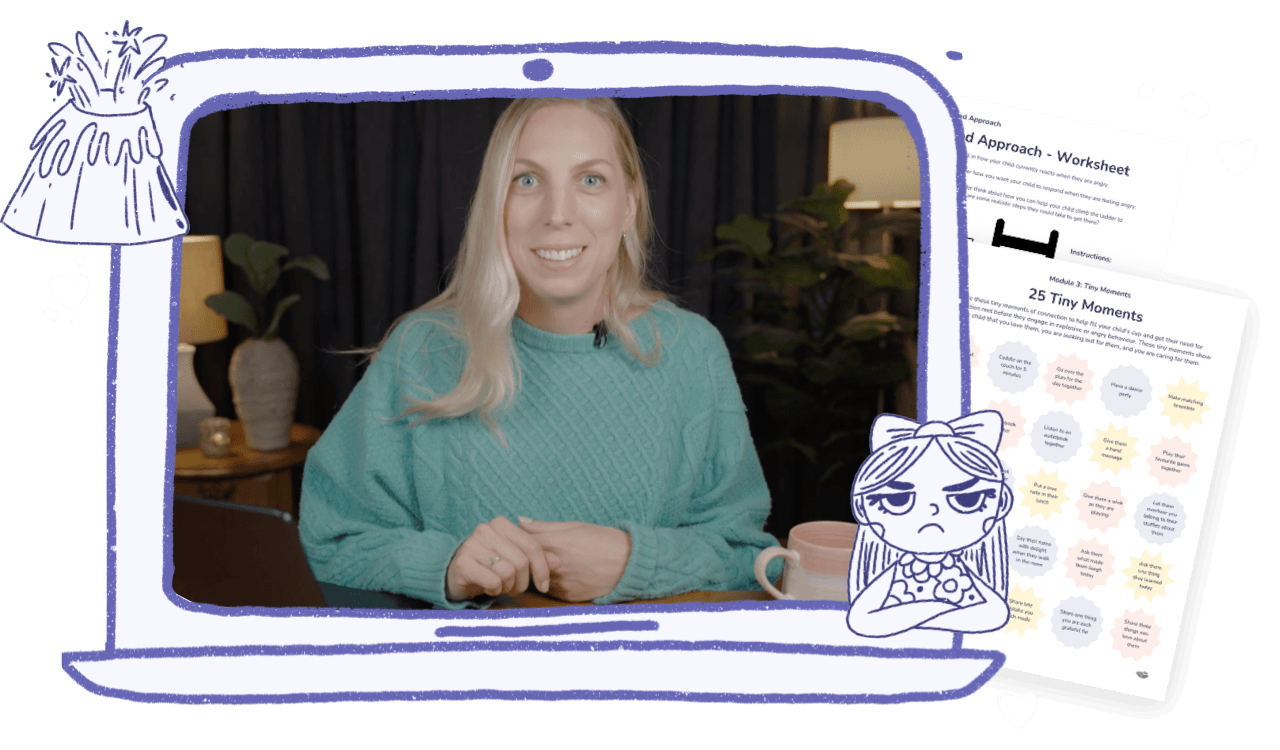
Instead of reading a tip and hoping you get it right, you see Jess handle the hitting, the screaming, and the meltdown in real time, including her tone and her timing. You learn what staying calm and connected actually sound like.

It works on your anger, too.
Most anger courses are only about the child. This one gives you a whole module of your own, for the triggers and old patterns that make staying calm so hard, because their big feelings so often hook yours.
No timeouts, no punishments, no shaming.
The whole approach is built on connection, understanding, and teaching skills, not on making your child feel bad enough to stop. You learn to hold a firm limit and stay close at the same time.

Help for the exact moment you're in.
A full module of common anger scenarios walks through the situations that keep coming up, so you are not left translating theory at five o’clock. Jump to the one you are facing and get a clear way through it.

Skills that outlast the hard years.
You are not just ending today’s outburst. Your child is learning to handle anger in a way that will serve them on the playground, in the classroom, and in friendships long after the explosive stage has passed.
When the anger comes, you will know what to do next.
This was never about a perfectly calm house, but about fewer explosions that spiral, quicker repair when they happen, and a child who is slowly learning that anger is a feeling they can get through. The whole course takes a little over an hour, so you can have a plan in place this week, before the next slammed door.
Frequently asked questions
Parents and caregivers of children ages 3 to 9 who are dealing with anger, explosive behavior, hitting, or meltdowns, and who want an approach that helps now and keeps helping as their child grows.
Yes. Anger is a normal human feeling that everyone has, and the early years are when it tends to come out the biggest. What matters is what your child learns to do with it. This course helps you tell what is developmentally normal from what needs more support, and gives you tools to help your child express anger in healthier ways.
Free tips and calm-down printables can genuinely help, and plenty of parents start there. The difference is that a tip tells you what to do, and this shows you how, with Jess walking you through the exact words and what to do when your child is mid-explosion. You also learn why the anger is happening in the first place, so you are not reusing a calming trick that worked once and then stopped. If the free version has already given you what you need, you may not need this. If you have tried the calm-downs and still freeze when the screaming starts, this is the part they leave out.
The Anger Course is for you, the parent: short video lessons that help you understand your child’s anger, spot the triggers, and respond in the moment. The Anger Toolkit is a printable package of worksheets, activities, and coloring pages you work through together with your child. Many families use them side by side, the course to guide you and the toolkit to give your child something to do with their hands.
The Anger Course focuses on what is fueling your child’s anger and how to help them handle big feelings. Parenting Strong-Willed Kids focuses on the child who pushes back on every request, with scripts and tools for the daily power struggles. If anger and explosive behavior are the heart of it, start here.
Yes. The course is built around understanding your own child’s needs rather than a one-size-fits-all script, so you can use the tools in the way that fits the child in front of you. Many parents of highly sensitive and neurodivergent children have found it helpful.
Yes. It is very common for a child to hold it together all day where they feel watched, then let it all out at home where they feel safe. The course explains why that happens and what to do with the after-school crash.
The whole course is a little over an hour, broken into short videos that are mostly 1 to 4 minutes long. You can learn one idea in a spare few minutes and use it that day, and skip straight to the lesson you need most.
Yes. The course is completely self-paced, with no scheduled sessions and no deadlines. Watch in order, or jump to the struggle taking over your house today, and revisit any lesson whenever you need it.
Yes. Comments are turned on for the course videos, so you can ask a question right under the lesson you are watching.
No. This is parenting education. It does not diagnose anything, and it does not replace therapy, medical care, or other professional support. The course itself includes guidance on when to seek extra help. If you are worried about your child’s safety, mental health, or development, please work with a qualified professional.
You have 30 days from purchase to request a course refund if it is not the right fit and you have completed 50 percent or less of the course content. See the refund policy for the full terms.
Related resources
Support your child's whole world
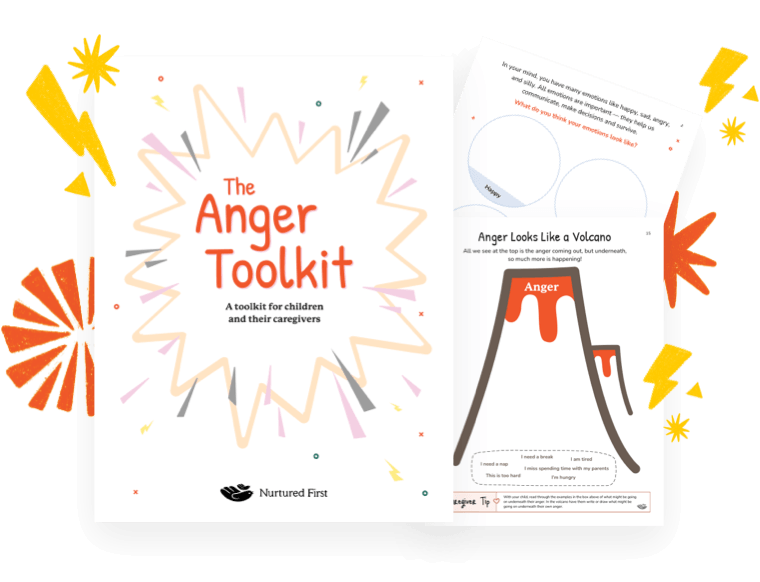
The Anger Toolkit
For the meltdowns you can see coming and still cannot stop. Printable activities, posters, games, and a fill-in story you and your child work through together, so they understand their anger, calm their body, and find words for it, for ages 3 to 9.
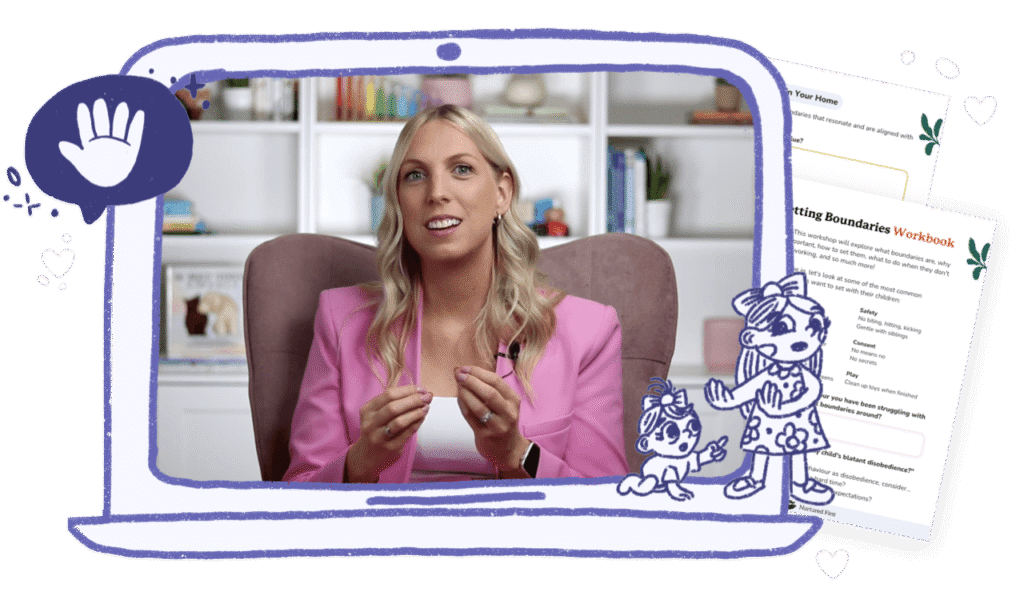
Setting Boundaries
For when you cannot tell whether you are being too soft or too strict. Video lessons on what a boundary really is, how to hold it without yelling, and what to say in the daily battles, for ages 1 to 12.
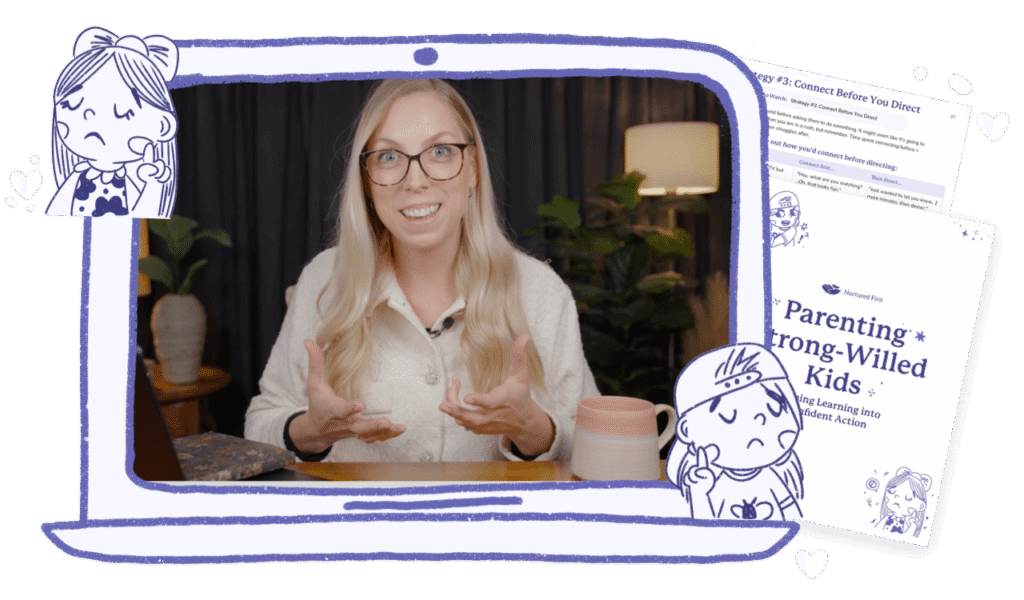
Parenting Strong-Willed Kids
For the child who turns getting dressed, dinner, and bedtime into a standoff. Video lessons and scripts that show you why your child digs in, so you can hold a limit without punishment or breaking their spirit, for ages 2 to 8.
