
Online Parenting Course
The Puberty Course
Puberty is tough, for your child and for you. Their body, friendships, and moods are all starting to change, and you’re not always sure what to say. This course helps you guide them through it, one small conversation at a time.
Ages 8-13
71 lessons (~5.5 hours)
Self-Paced
Bonus Audio-Only Version
98-Page Workbook
🌟 Trusted by [[FOLLOWERS]] parents on Instagram!
Is this course for you?
If any of these sound familiar, you're in the right place.
The question you weren't ready for.
Your eight-year-old asks you, "What's sex?" Your stomach drops. You know they're likely old enough to understand, but you aren't sure how to explain it in an age-appropriate way.

You notice your child has started to smell.
You didn't realize puberty started this early. They definitely need to shower more, or maybe they just need deodorant? But how do you bring it up without making them feel bad about themselves? You start to spiral, realizing this new season of life is starting before you're ready.
No one ever really talked to you about this.
Maybe it was a book left on your bed, or one red-faced talk in the car that no one mentioned again. You figured out the rest at sleepovers and swore your kids would get something better. You want to do more than buy your daughter a book on puberty that she reads in silence. You want to be the parent who guides her through it, but you're not sure where to start.
Get Started with The Puberty Course

71 video lessons, most under 8 minutes
A 98-page printable workbook to follow along
The Conversation Starter Bank, with opening lines sorted by topic
Two bonus videos made for your daughter: building a period kit and using a pad
An audio-only version for listening on the go
A Quick Start Path of 11 lessons for when you need help today
Watch on any device, at your own pace
US$83.29
Start your first lesson tonight, and have your first small conversation this week.
What You'll Learn
Becoming the Parent They Ask
Talking About Changing Bodies
Friends, Phones, and the Wider World
See What's Included
71 Lessons
~5.5 Hours
98-Page PDF Workbook
Bonus Audio-Only Version
You'll start with the conversations themselves: how to stay calm, what to say, and how to keep your child talking. Then you'll get practical words for the topics on your mind: body changes and hygiene, periods and erections, sex and how babies are made, friendships, and phones. By the end, you'll know what to say when the questions come, and you'll be the trusted adult your child knows they can come to.
0. Welcome and Getting Started
3 Lessons
~11 minutes
Meet Jess, see how the course fits together, and learn the six key terms you'll hear throughout. Before you go any further, you'll say a few body words out loud, so the first time you say them isn't to your child.
In this module

Welcome: Meet Jess and What to Expect
Video
How to Use This Course
Video

The Puberty Course Workbook
Key Terms You'll Hear Throughout This Course
Video

Module 0. Welcome and Getting Started
Audio
1. Becoming the Askable Parent
5 Lessons
~17 minutes
This is the inner work that makes everything else easier. You'll look at why these conversations feel so hard, how your own upbringing shows up, and why lots of small talks beat one big one. It matters because kids pick up on our discomfort fast, and it can quietly teach them not to ask.
In this module
Why These Conversations Feel So Hard
Video
Your Story: Breaking Generational Patterns
Video
The Myth of "The Talk"
Video
What Makes a Parent Truly "Askable"
Video
Cross-Gender Conversations
Video
Module 1. Becoming the Askable Parent
Audio
2. Your Communication Strategies
6 Lessons
~30 minutes
These are the skills you'll use in every conversation that follows. You'll learn how to listen so your child keeps talking, stay steady when a question surprises you, and answer without lecturing. You'll also learn what to say when you don't know the answer, and how to keep the door open when your child shuts down.
In this module
The Active Listening Formula
Video
Managing Your Own Anxiety in the Moment
Video
How to Answer Any Question with Confidence
Video
The Power of "I Don't Know"
Video
Finding Natural Conversation Moments
Video
When Your Child Shuts Down
Video
Module 2. Your Communication Strategies
Audio
3. Understanding Changing Bodies
7 Lessons
~32 minutes
The body basics, whatever your child's gender: the right words for bodies, the stages of puberty, and why the tween brain reacts so big. You'll also get shame-free responses for body exploration, hygiene, and how babies are made, so you can answer calmly instead of scrambling.
In this module
Anatomy: Getting Familiar with the Words and the Bodies
Video
The Stages of Puberty: Your Roadmap
Video
The Tween Brain Under Construction
Video
From Frustration to Empathy
Video
Body Exploration: A Shame-Free Response
Video
Hygiene Conversations That Work
Video
How Babies Are Made: Conversations That Build Over Time
Video
Module 3. Understanding Changing Bodies
Audio
4. Understanding Tween Girls
12 Lessons
~72 minutes
How to prepare your daughter for the changes ahead, from breast buds and her first bra to a first period that doesn't catch her by surprise. Jess shows you period products up close, walks through using a pad and a tampon step by step, and helps you pack a period kit.
In this module
Female Body Changes: An Overview
Video
Talking to Your Daughter About the Changes She Will Experience
Video
Breast Development
Video
Choosing a First Bra
Video
Understanding Periods
Video
Talking to Your Daughter About Her First Period
Video
Period Products
Video
How to Use a Pad
Video
Bonus: How to Use a Pad for Kids
Video
Building a Period Kit
Video
Bonus: Building a Period Kit for Kids
Video
Managing Cramps
Video
How to Use a Tampon
Video
Teaching Girls About Boys' Changing Bodies
Video
Module 4. Understanding Tween Girls
Audio
5. Understanding Tween Boys
7 Lessons
~32 minutes
What to expect as your son's body changes, and why it pays to start talking before the visible changes arrive. You'll get calm, side-by-side scripts for erections and wet dreams, a plan for awkward moments at school, and a simple way to teach boys about periods too.
In this module
Male Body Changes: An Overview
Video
Talking to Your Son About the Changes He Will Experience
Video
Understanding Erections
Video
Talking to Your Son About Erections
Video
Coaching Through Public Erections
Video
Wet Dreams and Nocturnal Emissions
Video
Teaching Boys About Periods
Video
Module 5. Understanding Tween Boys
Audio
6. Body Image
4 Lessons
~32 minutes
How the way you talk about bodies, including your own, shapes the way your child sees theirs. You'll learn small daily habits that protect body image, what to say when peers comment on bodies, and how to talk about social media and edited images.
In this module
Building Healthy Body Image: The Mindset Shift
Video
Building Healthy Body Image: Daily Practices
Video
When Peers Talk About Bodies
Video
Social Media and Body Image
Video
Module 6. Body Image
Audio
7. Friendships and the Social World
6 Lessons
~33 minutes
Tween friendships can change overnight. You'll learn to coach instead of fix, whether it's a clique, teasing, a friend who won't take no for an answer, or a first crush.
In this module
Understanding Tween Social Dynamics
Video
Coaching Through Cliques and Exclusion
Video
Building Resilience Against Teasing
Video
Teaching Consent Through Daily Life
Video
Red and Green Flags in Friendships
Video
When Your Child Has a Crush
Video
Module 7. Friendships and the Social World
Audio
8. Digital Safety
4 Lessons
~41 minutes
How to move from monitoring your child's online life to mentoring it. You'll learn how to have the proactive pornography conversation, build a family digital safety plan together, and respond calmly when something goes wrong online. The goal is a child who comes to you instead of hiding it.
In this module
From Monitor to Mentor
Video
The Proactive Pornography Conversation
Video
Creating Your Family Digital Safety Plan
Video
When Something Goes Wrong Online
Video
Module 8. Digital Safety
Audio
9. Questions Tweens Are Asking (And How To Respond)
15 Lessons
~29 minutes
Fifteen real questions tweens ask, from "Why did everyone else get their period?" to "What do I do when I get an erection at school?" Jess answers each one the way she'd answer a child, so you can borrow her words. Most take about 2 minutes, short enough to watch right before you answer.
In this module
Why am I moody on my period?
Video
Should I start shaving?
Video
Why did everyone else get their period?
Video
I got my period. Now what?
Video
Why is there white stuff in my underwear?
Video
My bed was wet and it wasn't pee. What was it?
Video
What do I do when I get an erection at school?
Video
What does it mean to have a period?
Video
Is it weird if it feels good to touch myself?
Video
Everyone is laughing at my squeaky voice. What do I do?
Video
Why am I tired all the time?
Video
I think I'm starting to smell. What do I do?
Video
Someone asked me to send a picture of my private parts. What do I do?
Video
Someone showed me a naked picture on the bus. What do I do?
Video
Why is there hair growing in weird places?
Video
Module 9. Questions Tweens Are Asking (And How To Respond)
Audio
Conclusion: Your Next Steps
2 Lessons
~8 minutes
How to tell a normal puberty wobble from something that needs more support, and who to call when it does. Then Jess sends you off with everything you've built and one small next step to take.
In this module
When to Seek Additional Support
Video
You've Got This: Final Encouragement
Video
Conclusion: Your Next Steps
Audio
See How Jess Teaches
Jess doesn't hand you a script and wish you luck. She names the awkward part out loud, then says the words the way you'd say them at the kitchen table: calm, brief, and without a lecture. Watch her welcome video to see how she teaches.
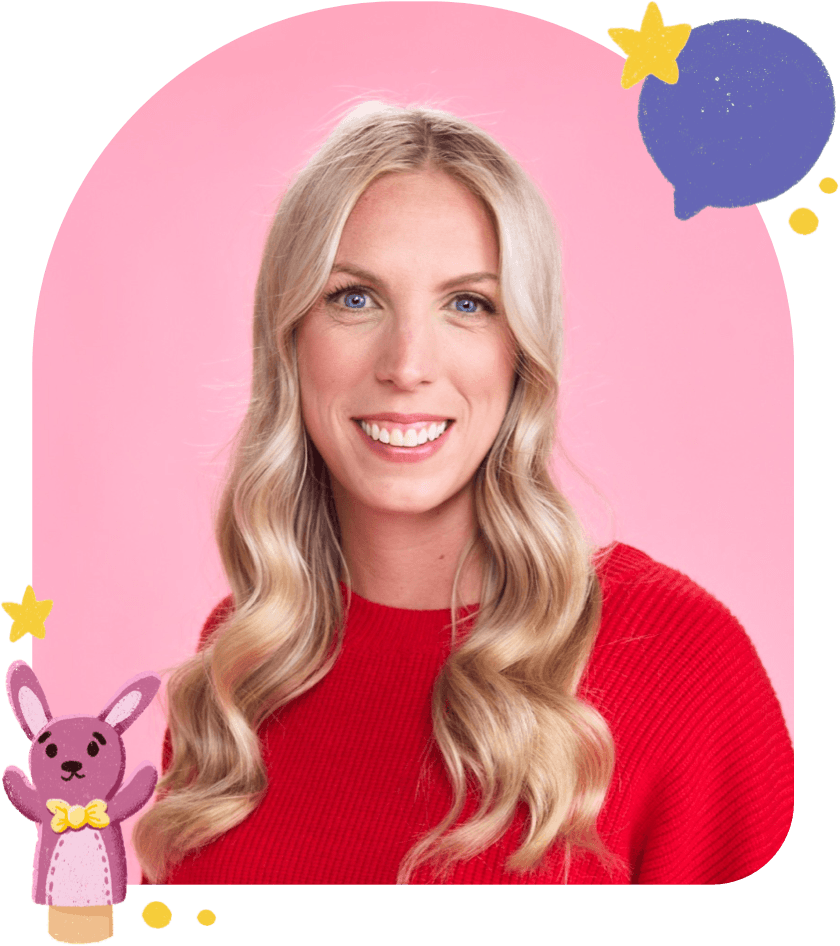
Taught By:
Jess VanderWier
Registered Psychotherapist and Mom of Three
🌟 Trusted by [[FOLLOWERS]] parents on Instagram!
Jess VanderWier is a Registered Psychotherapist, a parenting educator, and the founder of Nurtured First. She has taught body safety and sex education to children and youth for more than 10 years. In her therapy work, she has sat with many families, and many preteens, in the middle of these exact changes.
As a mom, she's fielded her own surprise questions from the back seat. In this course, she shows you how to say the words, even the awkward ones: calmly, plainly, and without shame.
Why Parents Choose This Course
What Makes This Course Different
See It Done, Not Described
Most advice tells you what to say. Here you watch Jess say it out loud, calm and brief, with the pause that gives you a second to think. She walks through the hands-on parts on camera too, so you can show your child with confidence.

A Framework You'll Remember
Everything in the course points to one goal: becoming the askable parent, the one your child feels safe bringing any question to. When your mind goes blank, you won't need a perfect answer, just three moves: listen, answer simply, and ground yourself. They fit on a wallet card in the workbook.
Answers for the Moment Itself
When something just happened, you need answers fast. Module 9 answers 15 real questions tweens ask, and a "something just happened" page in the workbook points you to the right lesson. It's what you'll reach for the night her period starts, or the day someone shows your child a picture on the bus.

Built for Busy Parents
Most lessons take less time than the school pickup line and end with one tiny task to try at home. Every video stands on its own, so you can skip straight to the one you need.

A Therapist Who's Been There
Jess loves talking about these topics, but her own kids still don't want a 20-minute lecture every time they ask about periods. House rules from the course, like "no phones at the dinner table," come straight from her own home. You're learning from someone who uses this with her own family, not just in her office.

It Grows With Your Child
The questions your 8-year-old asks won't be the ones your 13-year-old asks. The course teaches a two-pass approach: a light first mention early, then a deeper talk once the change arrives. Come back at each new stage, and the next conversation will be waiting for you.
Frequently Asked Questions
Is my child too young, or too old, for this course?
The course is made for parents of kids ages 8 to 13. At 8, you're right on time, since the first changes often start earlier than parents expect. At 12 or 13, it's not too late. You can start right where your child is, and I'll show you how.
What if puberty has already started?
That's okay. You haven't missed your window. Start with the lessons you need right now, like the first-period lessons or the Module 9 answers, and come back to the foundations when you can. The Quick Start Path is a good first stop.
Do I watch this on my own, or with my child?
This course is for you. The lessons are made for parents, so you can get comfortable with the words before you use them with your child. Two short bonus videos in Module 4 are made for your daughter to watch. A few workbook pages, like the family digital safety agreement, are meant to be filled out together.
Does it cover both girls and boys?
Yes. Module 4 covers girls' changing bodies and Module 5 covers boys', and I'd encourage you to watch both, whoever you're raising. Daughters should know what boys go through, and sons should know about periods, so they can be kind to each other and stand up to teasing.
I'm a dad. Is this course for me?
Absolutely. There's a whole lesson on cross-gender conversations, with a ready-made script for dads talking to daughters. The right parent for these conversations is the one who's willing to show up.
How is this different from the Puberty Toolkit?
The Puberty Toolkit is a 60+ page printable set of worksheets, journal pages, and activities that you and your child work through together. This course is for you, the parent. It shows you how to start these conversations, what to say, and how to stay calm when a question comes out of nowhere. You don't need one to use the other.
Why pay for a course when there are books about puberty?
Books are great for the facts, and plenty of parents start there. What a book can't show you is the tone, the pause, and what to do when your child rolls their eyes and walks away. If a book has already given you the confidence to start, you might not need this. If you've read the facts and still freeze when the question comes, this course is for that moment.
How long are the lessons?
Most of the core lessons run 3 to 8 minutes. A few deeper ones, like talking to your daughter about her first period, run closer to 12. The Module 9 answers take about 2 minutes each. The whole course runs about 5.5 hours, broken into small pieces so you can watch one lesson and use it the same day.
Is the course self-paced?
Yes. There are no live sessions and no deadlines. Go in order, start with the Quick Start Path, or jump to whichever lesson you need first.
Can I rewatch the lessons?
Yes. You can come back to the lessons, the workbook, and the audio version whenever a new question comes up. Rewatching a lesson right before a conversation you've been putting off is a great way to use it.
Does this replace my child's doctor?
No. This course is education, not medical advice or therapy. It helps you understand what's typical and spot the signs that something is bigger than a normal puberty wobble. If you're ever worried about your child's development, health, or safety, please reach out to your pediatrician or a qualified professional.
What's your refund policy?
You can request a refund within 30 days of purchase, as long as you've completed 50 percent or less of the course. Just email support@nurturedfirst.com, and you'll find the full details on our Refund Policy page.
Parents Also Love
More Resources You'll Love
Puberty doesn't arrive on its own. Friendships, screens, and big feelings all shift at the same time, and these resources help with those too.
The Puberty Course
US$83.29
